• Feeling isolated? You're not alone.

    Join 20,000+ people who understand exactly how your day went. Whether you're newly diagnosed, self-identified, or supporting someone you love – this is a space where you don't have to explain yourself.

    Join the Conversation → It's free, anonymous, and supportive.

    As a member, you'll get:

    • A community that actually gets it – no judgment, no explanations needed
    • Private forums for sensitive topics (hidden from search engines)
    • Real-time chat with others who share your experiences
    • Your own blog to document your journey

    You've found your people. Create your free account

Autistic Facial Expressions (article)

Deep down we always knew that all those stereotypes about autism are just neurotypicals projecting.
 
This really resonates with my own experience.

Also, in the video, I thought Mike looked bored, not sad.

Research on facial expressions challenges the way we think about autism

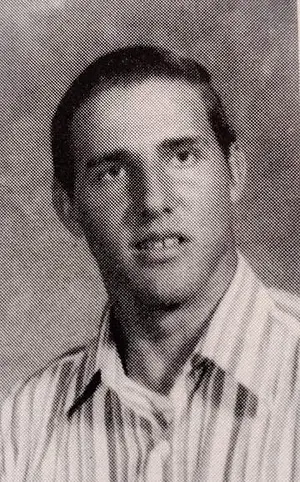
I know from looking at photos that my facial expressions do not match the emotions I am experiencing. I am not able to smile without deliberately practicing and faking it. Consequently when I am happy I often look angry. So if I have difficulty reading neurotypicals facial expressions, then neurotypicals definitely have trouble reading my expressions.

For example, take a look at three photos, two recent and one old photo from the 10th grade. The first photo was from a happy occassion. The second was a selfie when there was no emotion. In the high school photo I was trying to smile for a portrait.

Screenshot_20200103-112616.webp
 

Attachments

  • IMG_20200401_152742.webp
    IMG_20200401_152742.webp
    301.4 KB · Views: 183
  • 42.webp
    42.webp
    75.9 KB · Views: 192
Last edited:
I used to practice facial expressions in the mirror.

I know a lot of the time my expression doesn't match what I'm actually feeling. At least not in a way that can easily be read by others. I think you have to know me really well in order to accurately read my facial expressions and body language and even then it's tricky if I'm masking.
 
Apparently my resting face looks angry, because I am frequently not making any expression, can feel that my facial muscles are relaxed, and yet get asked why I'm angry. My father was the same way.
 
This really resonates with my own experience.

Also, in the video, I thought Mike looked bored, not sad.

Research on facial expressions challenges the way we think about autism

I am good at reading facial expressions generally but not not always like talking about emotions or some things that other people like.
I get sad when I see a person sad and I think the face is interesting with various emotions and I think it is cute when people sometimes scrunch up their nose or have a big smile
And I get nervous and tired and do not always look or make eye contact
And I may at times make the weirdest expressions and I am just unaware of how bizarre I look when I think I look like a princess
And I think that is scary as an autistic is how weird do you look when u socialize with others
 

New Threads

Top Bottom